
Introduction
Sleep apnea is a serious sleep disorder affecting millions worldwide. While it is often associated with men, women are increasingly affected, yet their symptoms are frequently misdiagnosed or overlooked. Recognizing sleep apnea symptoms in women is crucial for early diagnosis and preventing long-term health complications such as cardiovascular disease, diabetes, and cognitive impairment.
This article provides an in-depth guide with scientific insights, data tables, and practical solutions to help women identify, understand, and manage sleep apnea.
What is Sleep Apnea?
Sleep apnea is a disorder characterized by repeated pauses in breathing during sleep, leading to fragmented sleep and reduced oxygen levels. There are three main types:
| Type | Description | Prevalence |
|---|---|---|
| Obstructive Sleep Apnea (OSA) | Throat muscles relax, blocking the airway | ~84% of cases |
| Central Sleep Apnea (CSA) | Brain fails to send proper signals to breathing muscles | ~5% of cases |
| Complex (Mixed) Sleep Apnea | Combination of OSA and CSA | ~11% of cases |
Women often experience milder OSA or atypical symptoms, which contributes to underdiagnosis.
Why Sleep Apnea is Different in Women
Women are less likely to report classic symptoms such as loud snoring or witnessed pauses in breathing. Hormonal differences, especially estrogen and progesterone, influence airway stability and sleep architecture, which can mask the disorder.
Key differences:
- Men: Loud snoring, noticeable apnea episodes, daytime sleepiness.
- Women: Fatigue, insomnia, morning headaches, mood changes, and difficulty concentrating.
Common Sleep Apnea Symptoms in Women
Women may experience non-classic symptoms, which can delay diagnosis. Here’s a detailed list:
1. Fatigue and Daytime Sleepiness
- Chronic tiredness despite 7–9 hours of sleep.
- Difficulty focusing, irritability, and decreased productivity.
2. Insomnia or Sleep Disturbances
- Trouble falling or staying asleep.
- Frequent awakenings at night, often mistaken for stress or anxiety.
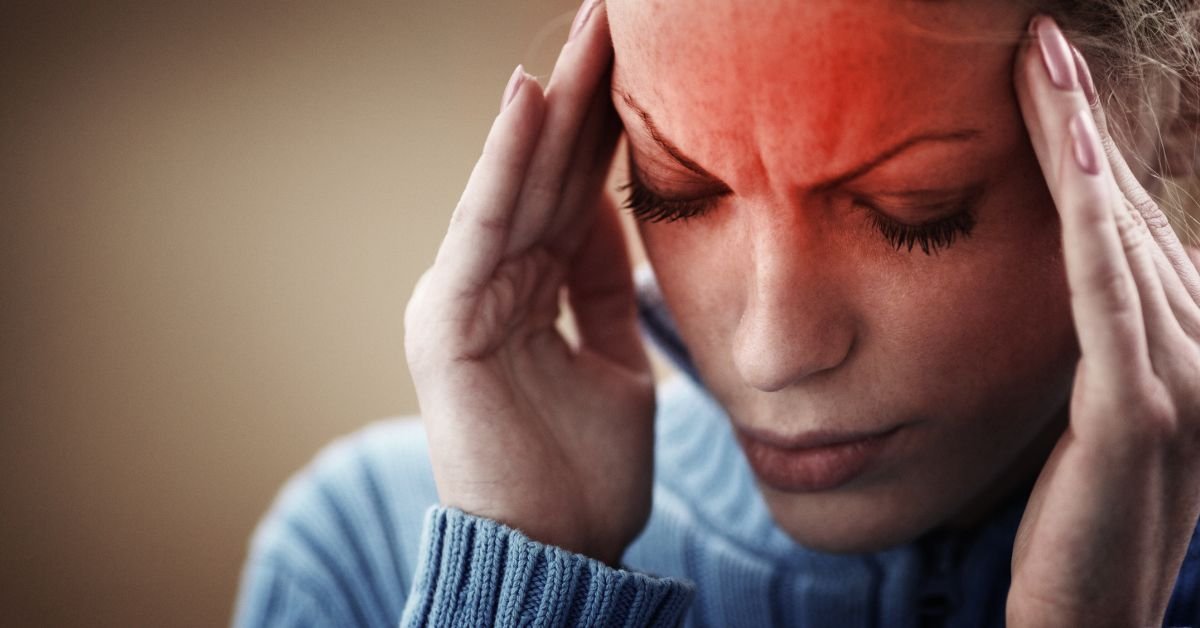
3. Morning Headaches
- Caused by low oxygen levels during sleep and poor blood circulation.
4. Mood Disorders
- Increased risk of depression and anxiety.
- Linked to disrupted REM sleep and hormonal imbalance.
5. Snoring and Shortness of Breath
- May be softer or intermittent compared to men.
- Can be overlooked by partners.
6. Weight Gain and Metabolic Issues
- Sleep apnea can increase appetite-regulating hormones (ghrelin) → weight gain.
- Associated with insulin resistance and diabetes risk.
Risk Factors in Women
| Risk Factor | Impact on Sleep Apnea |
|---|---|
| Obesity | Fat deposits around airway increase obstruction |
| Menopause | Reduced estrogen and progesterone increase risk |
| Pregnancy | Hormonal changes can worsen airway collapsibility |
| Family History | Genetic predisposition to OSA |
| Age | Risk increases after 40 |
Diagnosing Sleep Apnea in Women
Diagnosis often requires a sleep study (polysomnography). Key parameters include:
- Apnea-Hypopnea Index (AHI): Number of pauses in breathing per hour.
- Oxygen saturation: Measures drops in blood oxygen during sleep.
- Sleep stages analysis: Evaluates REM and deep sleep disruption.
Women often have lower AHI scores than men but still experience significant health consequences.
Scientific Insights
- Studies show women are underdiagnosed by up to 50%.
- REM-related OSA is more common in women, causing subtle daytime symptoms.
- Hormone replacement therapy may reduce the severity of OSA in postmenopausal women.

Complications of Untreated Sleep Apnea in Women
| Complication | Explanation |
|---|---|
| Cardiovascular disease | Increased risk of hypertension, heart attack, stroke |
| Diabetes | Sleep disruption affects insulin sensitivity |
| Obesity | Hormonal imbalance and metabolic changes |
| Cognitive decline | Memory issues, brain fog, reduced focus |
| Mood disorders | Depression and anxiety exacerbated |
Treatment Options
- Lifestyle Modifications
- Weight management, avoiding alcohol/sedatives before bed, sleeping on the side.
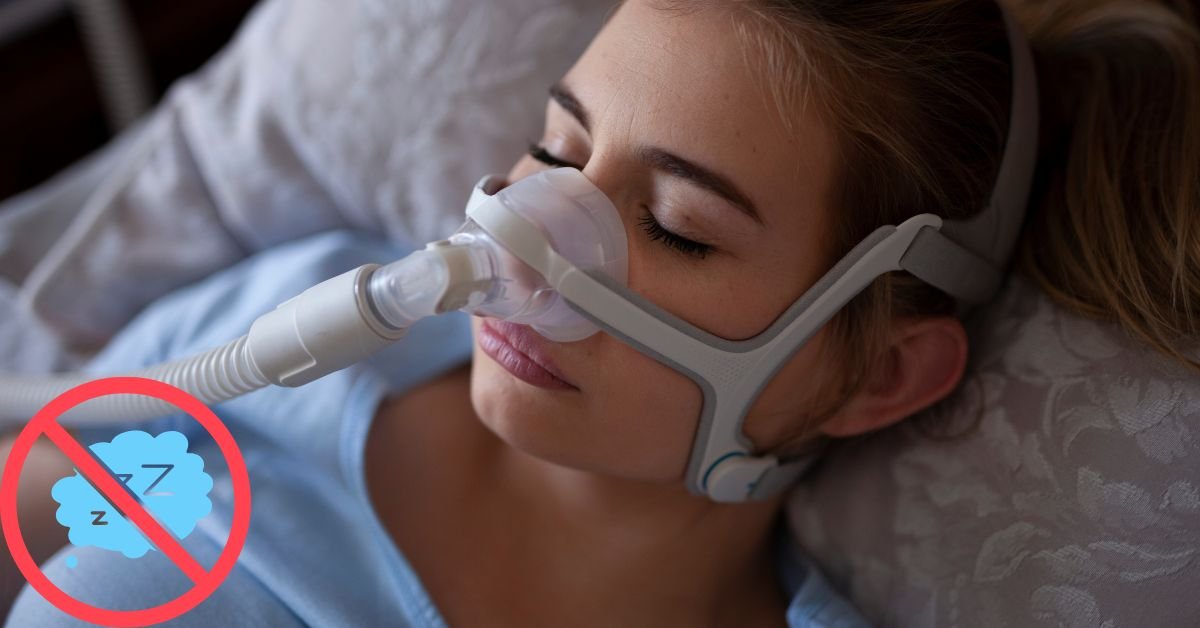
- Continuous Positive Airway Pressure (CPAP)
- Gold standard for moderate to severe OSA.
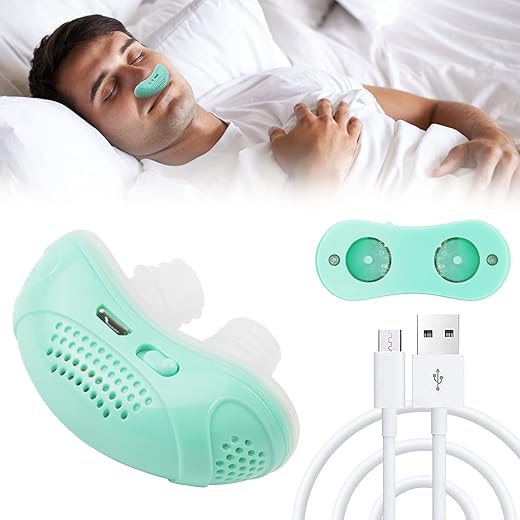
- Oral Appliances
- Custom dental devices to keep the airway open.
- Surgery
- Considered if conservative treatments fail.
- Hormonal Considerations
- Postmenopausal women may benefit from estrogen/progesterone therapy under medical supervision.
Practical Tips for Women to Improve Sleep
- Maintain a consistent sleep schedule.
- Keep bedroom dark, cool, and quiet.
- Avoid heavy meals and caffeine before bed.
- Track sleep with apps or wearable devices to detect unusual patterns.
- Seek professional help if symptoms persist.
Conclusion
Sleep apnea in women is often silent but dangerous. Recognizing subtle symptoms like fatigue, insomnia, and mood changes is crucial. Early diagnosis and treatment improve quality of life, cognitive function, and cardiovascular health.
If you suspect sleep apnea, consult a sleep specialist and consider a sleep study for accurate diagnosis.