Introduction
Sleep apnea is more than just loud snoring — it’s a serious sleep disorder that disrupts your breathing, lowers your sleep quality, and leaves you exhausted the next day. While the CPAP machine is the most effective treatment for moderate and severe cases, many people with mild sleep apnea, positional apnea, or snoring-related breathing issues can benefit from natural remedies that support easier breathing and deeper, uninterrupted sleep.
In this guide, you’ll discover the best natural remedies for sleep apnea, using strong sleep-optimization strategies, lifestyle habits, breathing support, and nighttime routines designed to help you breathe more freely and sleep more restfully.
If you’re searching for natural sleep apnea solutions, home remedies for better breathing, or simple ways to reduce snoring, this article will guide you through the safest, most effective options.
🌿 Best Natural Remedies for Sleep Apnea
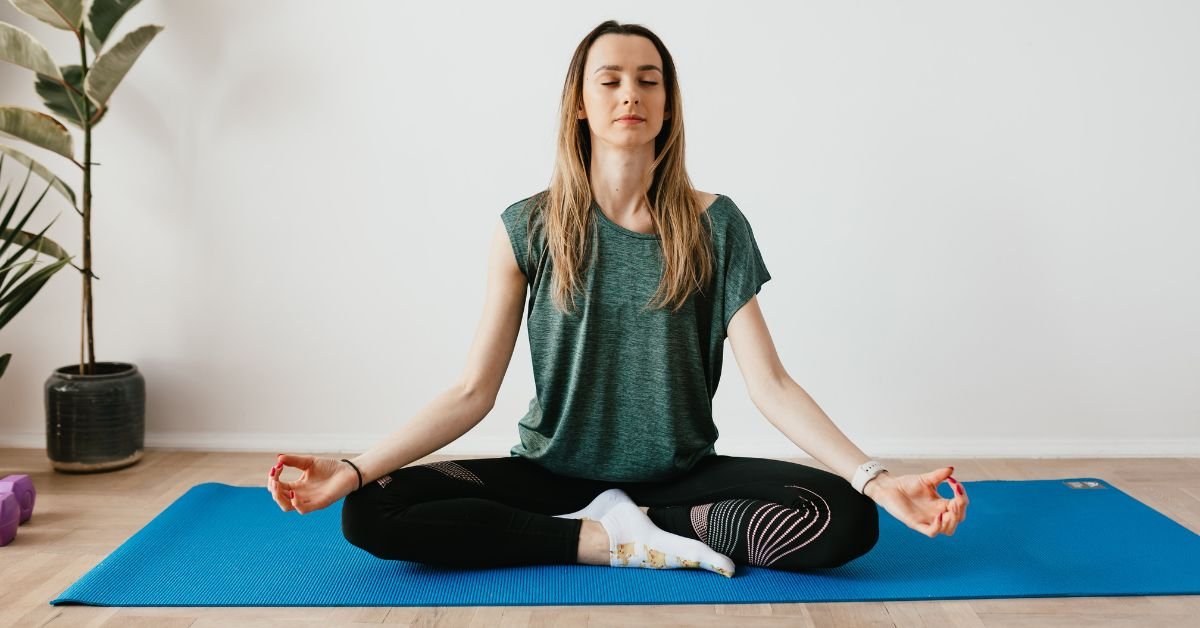
🌬️ 1. Nasal Breathing Exercises (Buteyko Method & Deep Diaphragmatic Breathing)
Improving your breathing patterns can significantly reduce sleep apnea symptoms, especially if your apnea is related to mouth breathing or poor airflow.
Benefits:
- Encourages calm nasal breathing
- Helps reduce nighttime airway collapse
- Improves oxygen flow
- Reduces snoring intensity
🛏️ 2. Side-Sleeping (Positional Therapy)
Sleeping on your back is one of the biggest triggers of sleep apnea because it allows the tongue and soft tissues to fall backward and block the airway.
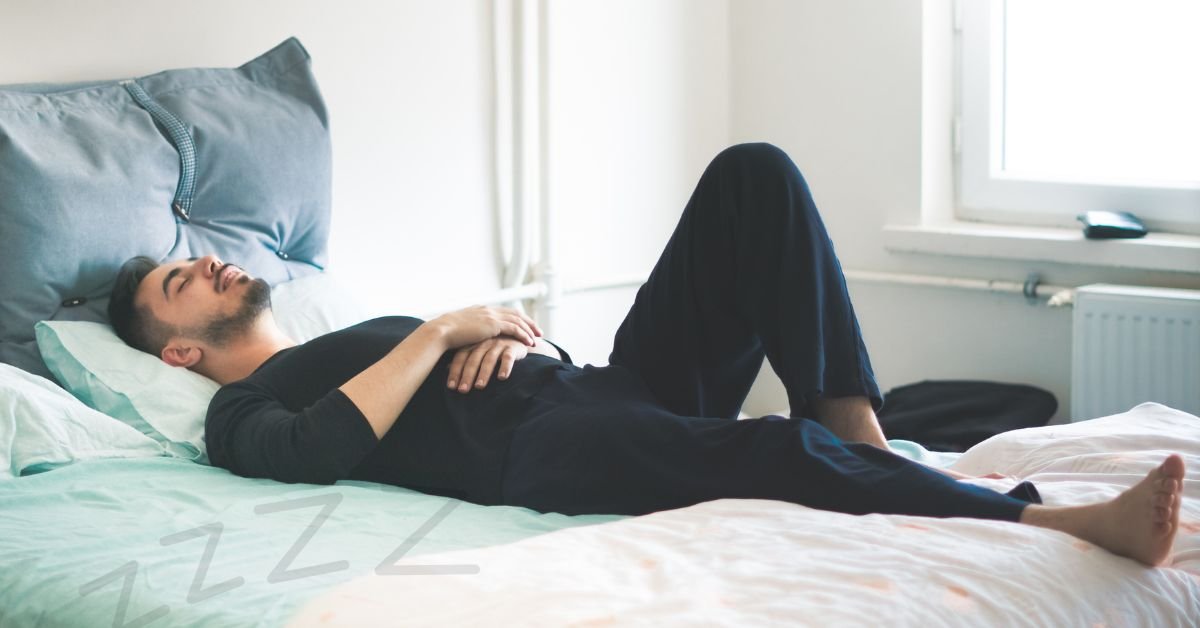
Switching to side-sleeping can:
- Reduce the number of apnea events
- Lower snoring frequency
- Improve airflow
- Enhance deep sleep cycles
👉 Read about “The Best Sleeping Positions for Better Health and Deeper Rest”
🌸 3. Herbal Tea Before Bed (Lavender, Chamomile, Valerian)
While herbal teas do NOT cure sleep apnea, they help you relax, reduce stress, and support smoother breathing before bed.

These teas promote:
- Deeper relaxation
- Reduced anxiety
- Better nighttime breathing
- More stable sleep cycles
👉 Read about “Tea for Better Sleep: The Best Soothing Nighttime Drinks for Deep, Restful Sleep”
🌡️ 4. Weight Management for Better Airflow
Extra tissue around the neck and throat can increase airway obstruction during sleep. Even small lifestyle adjustments can make a big difference.

Benefits:
- Reduces pressure on the airway
- Improves oxygen flow
- Decreases snoring
- Promotes healthier sleep patterns
👉 Read about “Sleep Apnea and Weight Gain: How Poor Sleep Affects Your Body”
💪 5. Throat & Tongue Exercises (Myofunctional Therapy)
Strengthening the muscles around your airway can make them less likely to collapse during sleep.
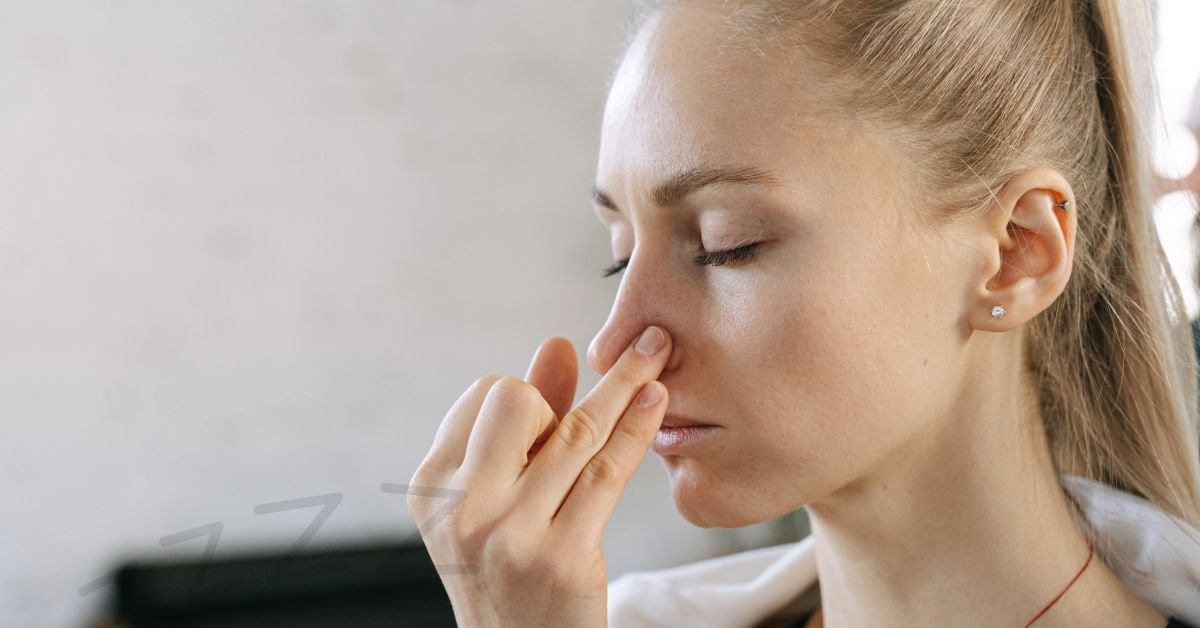
Daily exercises improve:
- Tongue strength
- Throat stability
- Airway flexibility
- Snoring reduction
Common exercises include:
- Tongue presses
- Soft palate lifts
- Mouth resistance training
👉 Read about “Fall Asleep in 2 Minutes: Discover the “Tongue Trick” Changing Lives”
🌱 6. Anti-Inflammatory Foods (Natural Airway Support)
Swelling in the throat and nasal passages can worsen sleep apnea. Anti-inflammatory foods help open your airway naturally.

Best foods for airway health:
- Ginger
- Turmeric
- Garlic
- Leafy greens
- Omega-3 fatty acids
💧 7. Steam Inhalation or Warm Showers Before Bed
Congestion worsens apnea by narrowing the nasal passages. Steam helps loosen mucus and reduce swelling.
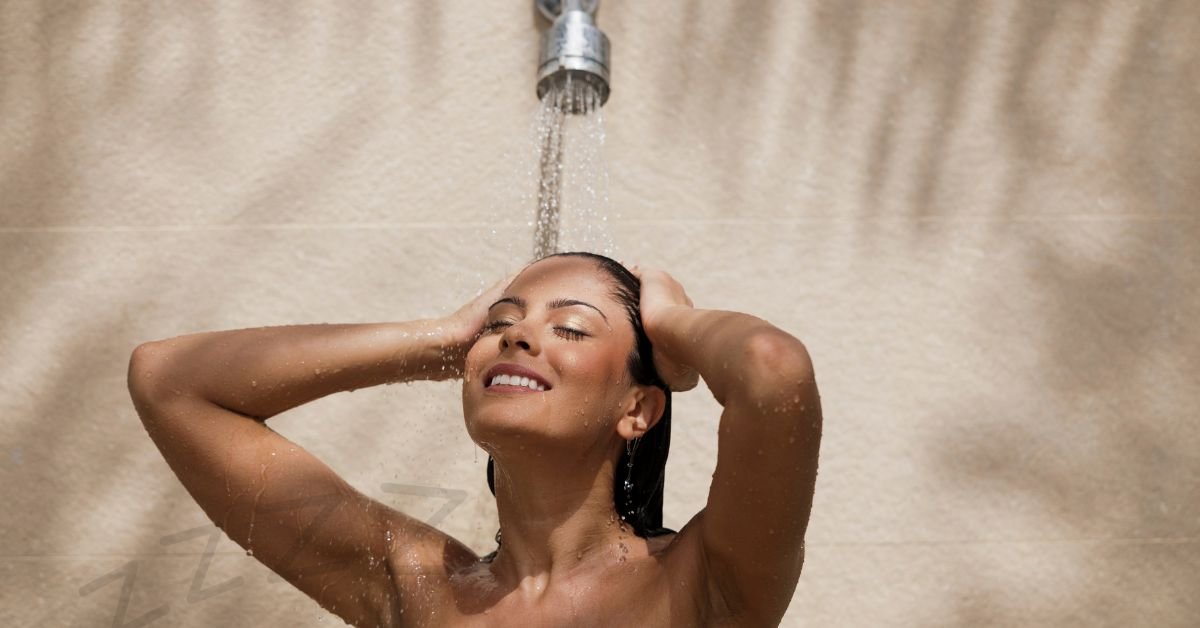
Benefits:
- Opens nasal passages
- Reduces nighttime obstruction
- Supports easier sleep breathing
🌿 8. Essential Oils (Lavender, Eucalyptus, Peppermint)
Essential oils don’t treat apnea itself, but they help relax the body and support clearer nighttime breathing.
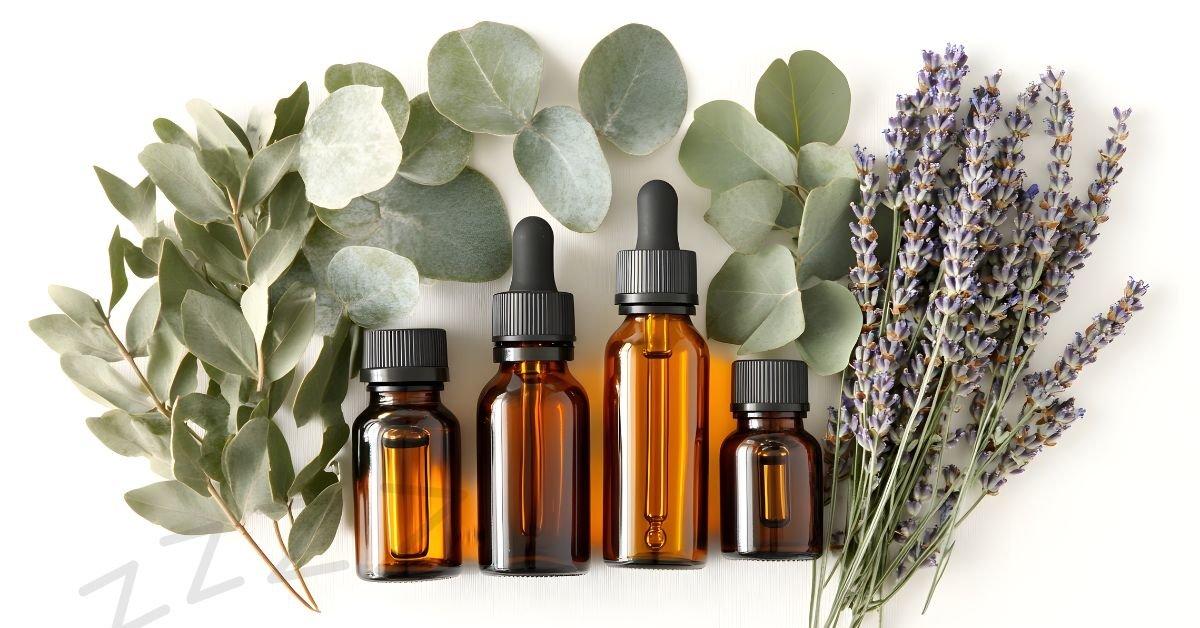
Best uses:
- Diffuser before bed
- Steam inhalation
- Pillow mist (lavender)
👉 Read about best sleep sprays
💤 9. Humidifier for Dry Air
Dry air irritates the throat and increases snoring. A humidifier adds moisture to the bedroom and keeps the airway more comfortable.
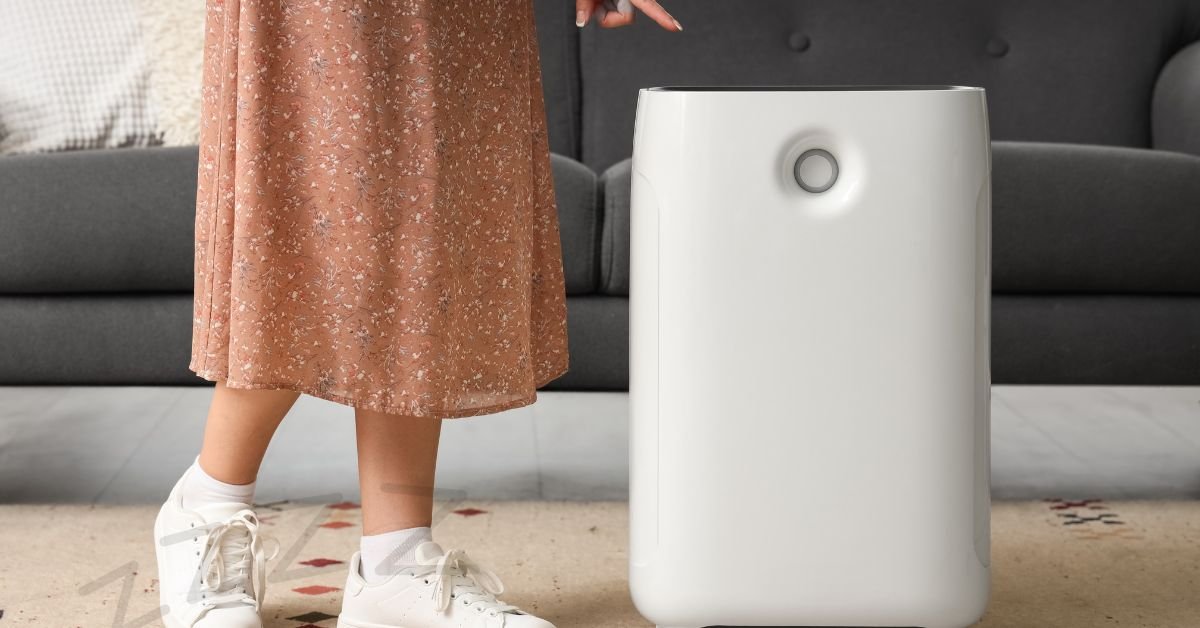
Benefits:
- Reduces throat dryness
- Decreases irritation
- Supports smoother airflow
⚠️ Important Note
These natural remedies are helpful for mild sleep apnea or snoring-related airway issues, but they do not replace medical treatment. If symptoms persist — especially choking, gasping, or extreme fatigue — a professional evaluation is essential.
🌙 Final Thoughts
Natural remedies can make a powerful difference for people with mild or positional sleep apnea. From breathing exercises and positional therapy to herbal relaxation teas, essential oils, humidifiers, and anti-inflammatory foods, these strategies support healthier breathing and deeper, more restorative sleep.