Introduction
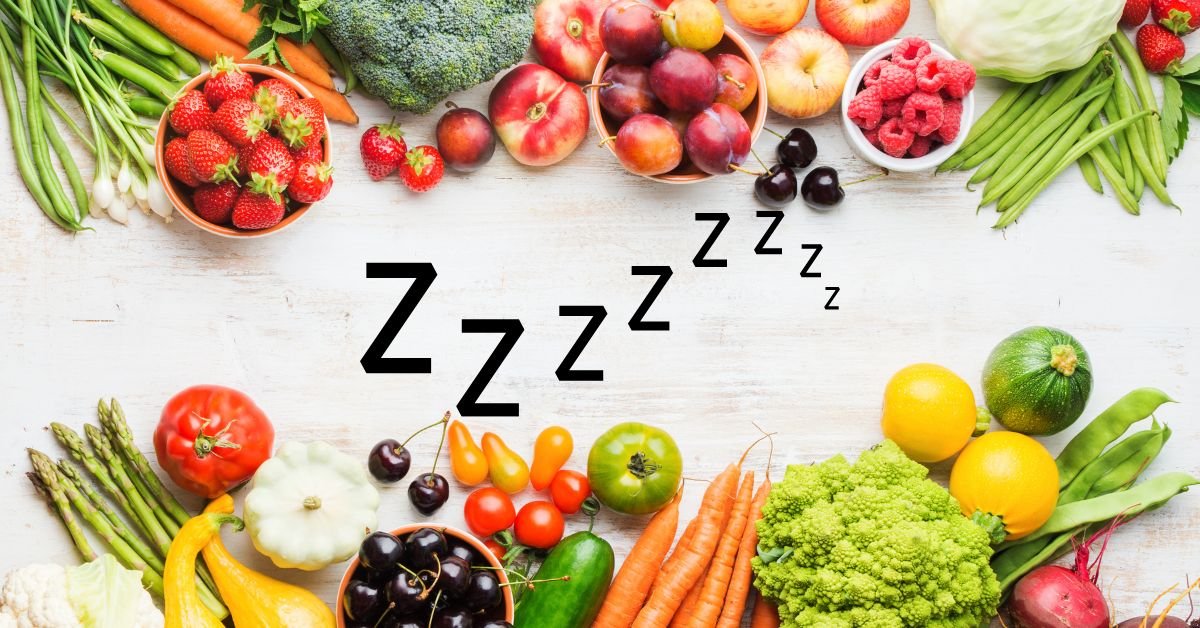
Getting quality sleep isn’t just about your mattress or your nighttime routine — your diet plays a powerful role in how fast you fall asleep and how long you stay asleep. Studies show that certain fruits and vegetables naturally boost melatonin, magnesium, and serotonin, the three key ingredients your body needs to relax, reduce stress, and enter deep, restorative sleep. If you struggle with insomnia, wake up during the night, or feel tired even after 8 hours of rest, the solution may be as simple as adding the right foods to your evening diet.
In this guide, we break down the best sleep-boosting fruits and vegetables, the science behind them, and how you can use nutrition to fall asleep faster, sleep deeper, and wake up refreshed — naturally.
⭐ Why Nutrition Matters for Sleep
Scientific studies reveal that sleep-enhancing foods share three major components:
✔ Melatonin — the “sleep hormone”
Helps regulate your sleep-wake cycle and makes it easier to fall asleep.
✔ Tryptophan — an amino acid that boosts serotonin
Improves mood, reduces stress, and helps your brain convert serotonin into melatonin.
✔ Magnesium & Potassium
Relax muscles, reduce nighttime cramps, and calm the nervous system.
🍒 1. Tart Cherries — The Strongest Natural Source of Melatonin
Why They Help
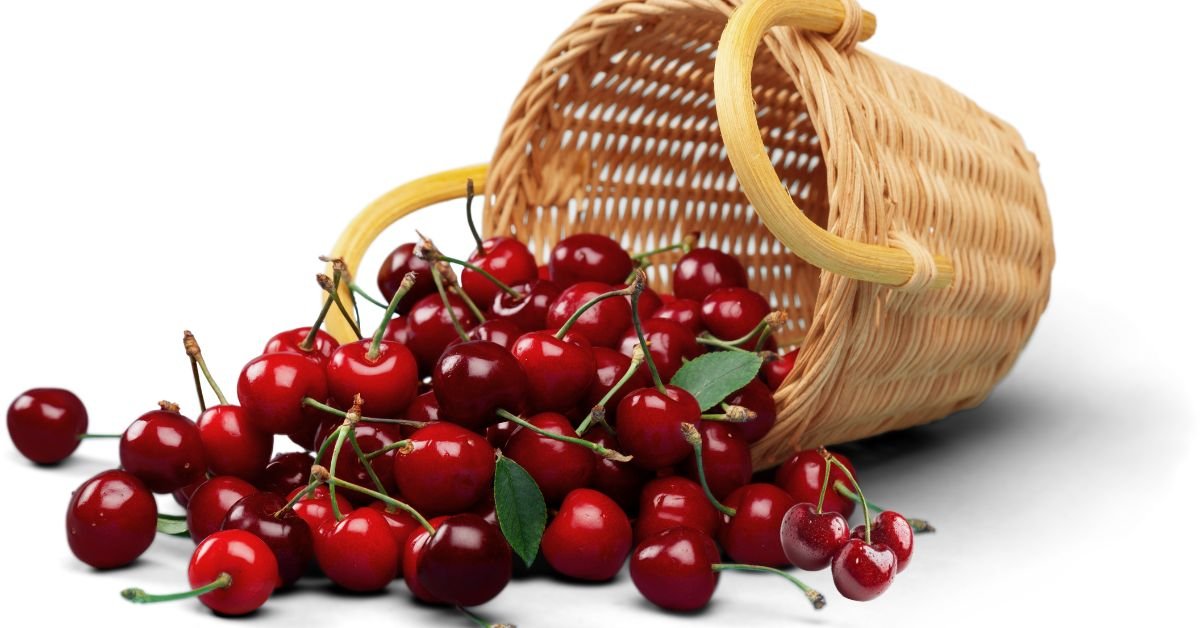
Tart cherries (not sweet cherries) are one of the highest natural sources of melatonin. Studies show they can:
- Improve sleep duration
- Reduce insomnia
- Boost overall sleep efficiency
Best Time to Eat
1 hour before bed.
Nutrition Table — Tart Cherries
| Component | Benefits for Sleep |
|---|---|
| Melatonin | Helps you fall asleep faster |
| Tryptophan | Supports serotonin production |
| Anthocyanins | Reduce inflammation that disrupts sleep |
| Potassium | Relaxes muscles & prevents cramps |
🍌 2. Bananas — The Perfect Night Snack for Relaxation
Why They Help
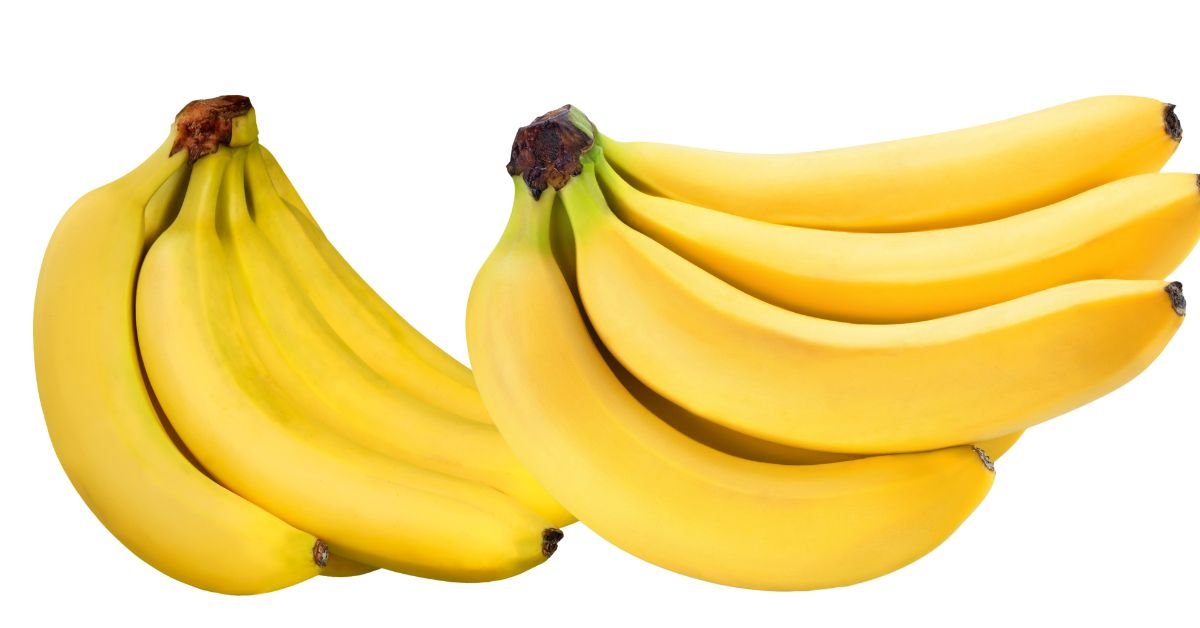
Bananas are rich in magnesium, potassium, and vitamin B6, all essential for deep sleep.
Best Benefits
- Relaxes the nervous system
- Helps your muscles unwind
- Supports melatonin production
Nutrition Table — Bananas
| Nutrient | Sleep Benefit |
|---|---|
| Magnesium | Calms nervous system |
| Potassium | Reduces muscle tensions |
| Vitamin B6 | Helps your body convert tryptophan into melatonin |
| Natural carbs | Makes tryptophan more effective |
🥝 3. Kiwis — Clinically Proven to Improve Sleep Quality
Scientific Findings
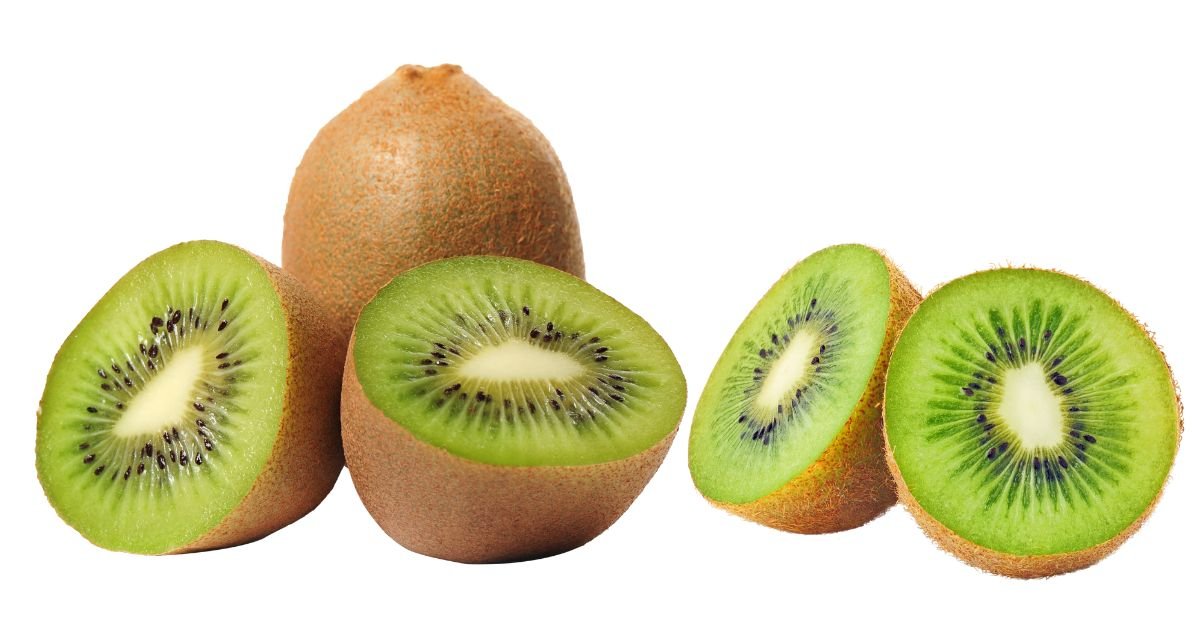
A study from Taipei Medical University found that eating 2 kiwis before bed:
- Decreases time to fall asleep by 35%
- Increases total sleep by 13%
- Reduces waking during the night
Kiwis are high in serotonin, antioxidants, and folate, all linked to better sleep.
Nutrition Table — Kiwi
| Component | How It Helps Sleep |
|---|---|
| Serotonin | Regulates sleep cycle |
| Vitamin C | Reduces stress & cortisol |
| Folate | Helps prevent insomnia |
| Antioxidants | Repair cells during sleep |
🥬 4. Leafy Greens — Magnesium Powerhouses
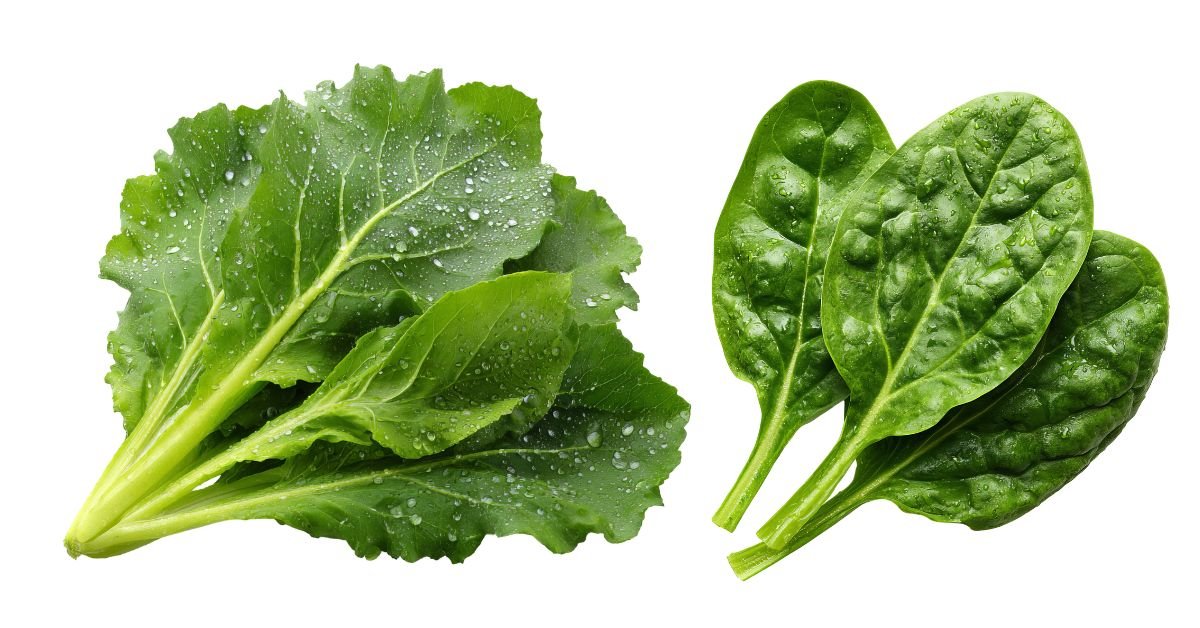
Spinach, kale, and Swiss chard are rich in magnesium, a mineral known as the “relaxation mineral.”
How They Help
- Reduce stress and nighttime anxiety
- Improve overall sleep quality
- Prevent restless legs & nighttime cramps
Best Greens for Sleep
- Spinach
- Kale
- Swiss chard
- Romaine lettuce
Nutrition Table — Leafy Greens
| Nutrient | Sleep Benefit |
|---|---|
| Magnesium | Improves deep sleep |
| Calcium | Helps brain use tryptophan |
| Vitamin B | Reduces stress |
| Potassium | Muscle relaxation |
🥔 5. Sweet Potatoes — The Ideal Evening Carbohydrate
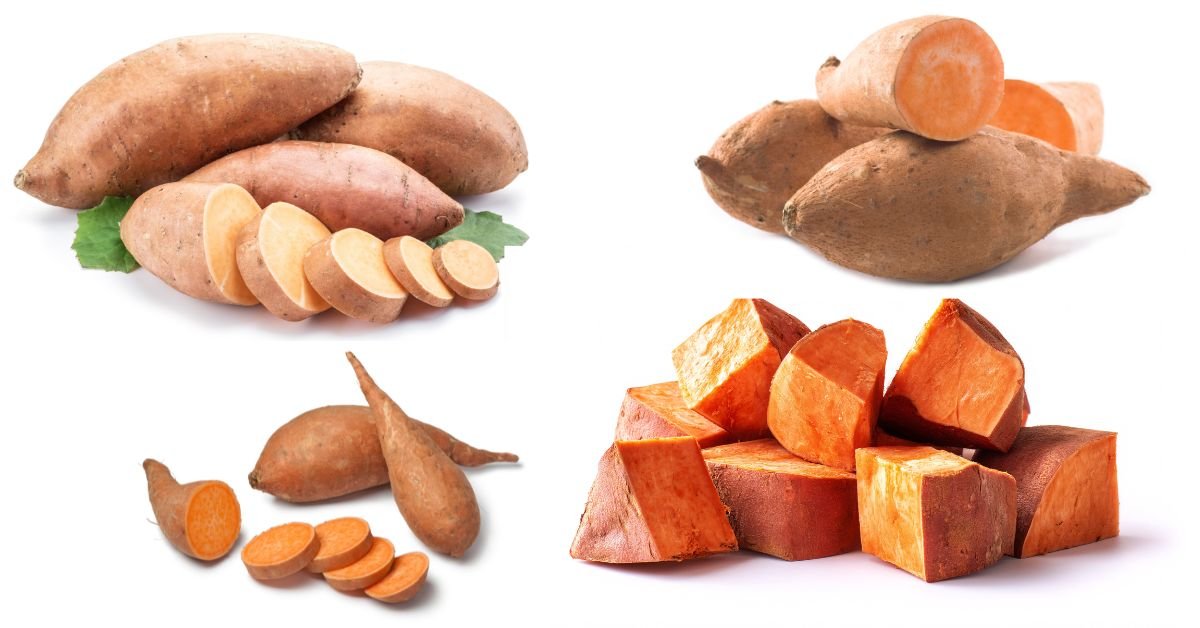
Why They Help
Sweet potatoes contain:
- Complex carbs
- Potassium
- Magnesium
This combination stabilizes blood sugar, calms muscles, and keeps you full all night.
Best Time to Eat
Dinner or 2–3 hours before bed.
Nutrition Table — Sweet Potatoes
| Component | Sleep Benefit |
|---|---|
| Complex carbs | Boost tryptophan absorption |
| Potassium | Natural muscle relaxant |
| Magnesium | Deep sleep support |
| Fiber | Prevents nighttime hunger |
🥥 6. Coconut Water — Sleep-Friendly Mineral Hydration
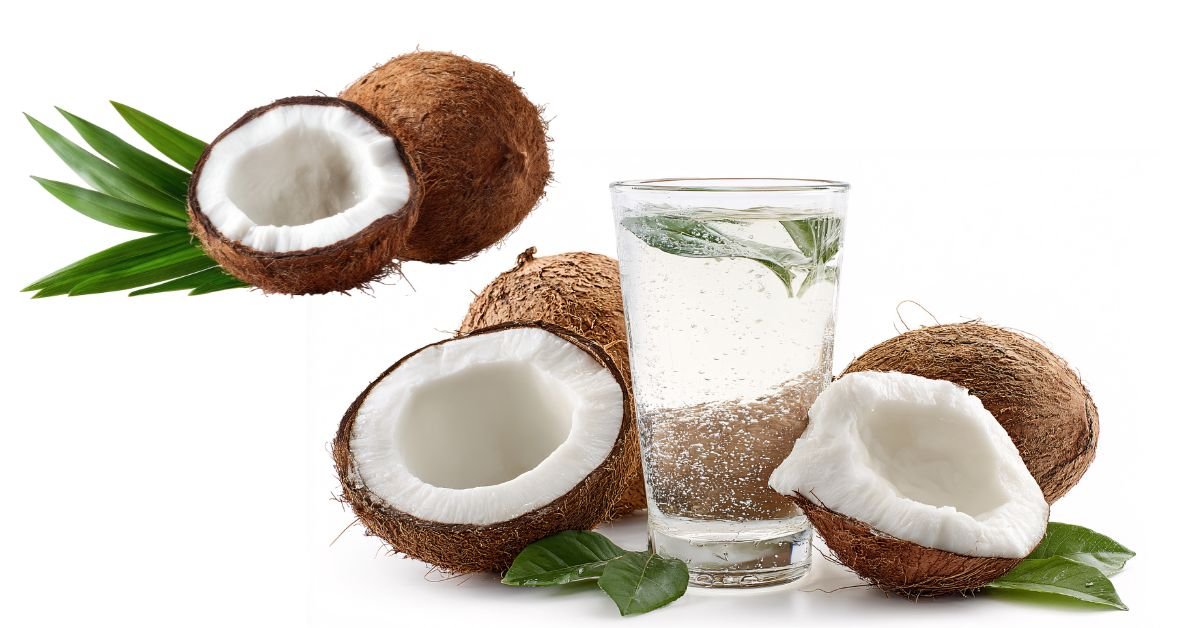
Coconut water contains:
- Magnesium
- Potassium
- Calcium
- Natural electrolytes
These minerals help relax the body and prevent nighttime dehydration, a common cause of waking up at 3 AM.
Best Time to Drink
1–2 hours before bed.
📌 Best Time to Eat Sleep-Friendly Foods
| Food | When to Eat | Why |
|---|---|---|
| Tart cherries | 1 hour before bed | Boost melatonin |
| Kiwi | 1 hour before bed | Improves sleep onset |
| Banana | 30 minutes before bed | Relaxes muscles |
| Leafy greens | Dinner | Provide magnesium |
| Sweet potatoes | Dinner | Stabilize blood sugar |
| Coconut water | Evening | Prevents nighttime dehydration |
Conclusion:
Improving your sleep doesn’t always require supplements or expensive gadgets — sometimes the most effective solutions come from your kitchen. Fruits like tart cherries, bananas, and kiwis, along with sleep-friendly vegetables like leafy greens and sweet potatoes, provide the essential nutrients your body needs to relax, produce melatonin, and maintain a calm nervous system. By adding these natural sleep boosters to your evening routine, you can fall asleep faster, stay asleep longer, and wake up with more energy and focus.
If you want deeper, healthier sleep, start with small changes: choose nutrient-rich foods at dinner, enjoy a sleep-friendly snack before bed, and stay consistent. Your body responds quickly when you give it the right nutrients — and the results can be life-changing.
Better nutrition = better sleep = better you.