Introduction
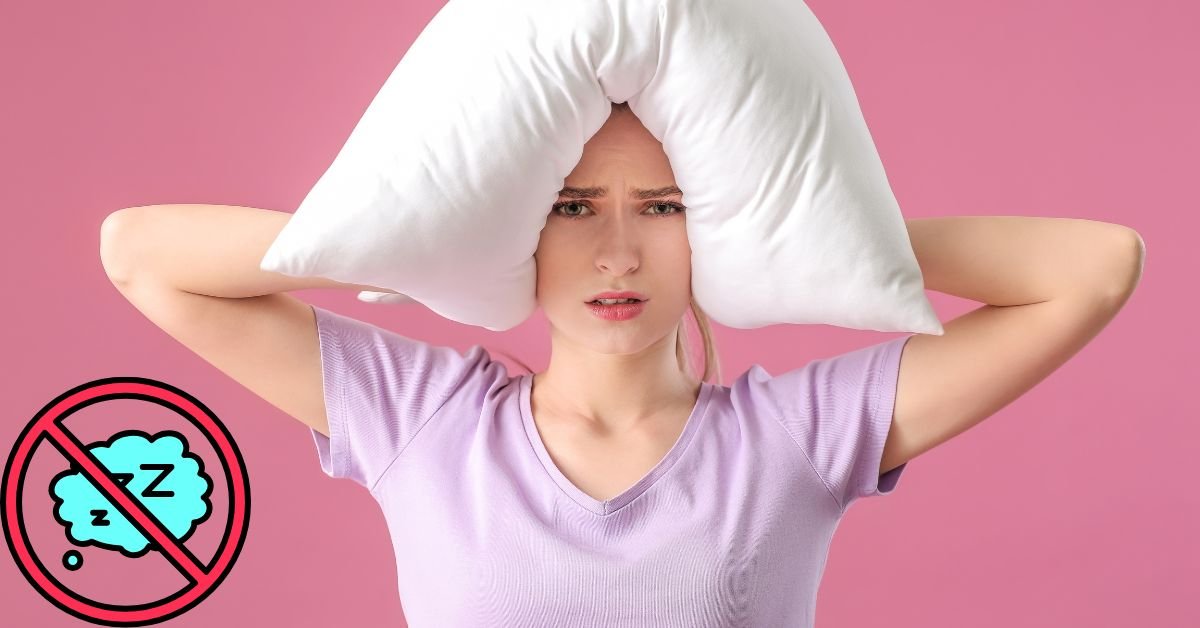
Sleep is essential for physical health, mental clarity, and emotional balance. Yet, millions of people worldwide suffer from sleep deprivation, whether due to busy schedules, stress, or insomnia. The effects of sleep deprivation are far-reaching, impacting not only your energy levels but also your brain function, heart health, metabolism, and overall quality of life.
If you’ve ever wondered what happens when you don’t get enough sleep, this article explores the short-term and long-term consequences of sleep deprivation, how to recognize the symptoms, and actionable tips to restore healthy sleep patterns. Understanding these effects is crucial because chronic sleep loss can lead to serious health problems.
😴 Short-Term Effects of Sleep Deprivation
Even one night of poor sleep can impact your body and mind in several ways:
✔ 1. Impaired Cognitive Function

Sleep deprivation reduces attention, memory, and decision-making abilities. You may notice:
- Forgetfulness and difficulty concentrating
- Poor problem-solving skills
- Slower reaction times
✔ 2. Mood Changes and Irritability

Lack of sleep affects emotional regulation, leading to:
- Increased anxiety or stress
- Mood swings
- Irritability or impatience
✔ 3. Weakened Immune System

Sleep helps the body produce infection-fighting white blood cells. Without enough rest, you are more prone to:
- Colds and flu
- Longer recovery times
- Reduced overall immunity
✔ 4. Reduced Physical Performance

Athletes and active individuals may notice:
- Decreased strength and endurance
- Poor coordination
- Slower recovery from workouts
💔 Long-Term Effects of Sleep Deprivation
Chronic sleep deprivation has serious consequences that can affect your overall health:
✔ 1. Increased Risk of Heart Disease

Persistent lack of sleep is linked to:
- High blood pressure
- Heart attacks
- Stroke
✔ 2. Weight Gain and Metabolic Issues

Sleep deprivation disrupts hormones like ghrelin and leptin, increasing hunger and appetite. This can lead to:
- Weight gain
- Obesity
- Insulin resistance and higher risk of type 2 diabetes
✔ 3. Mental Health Problems
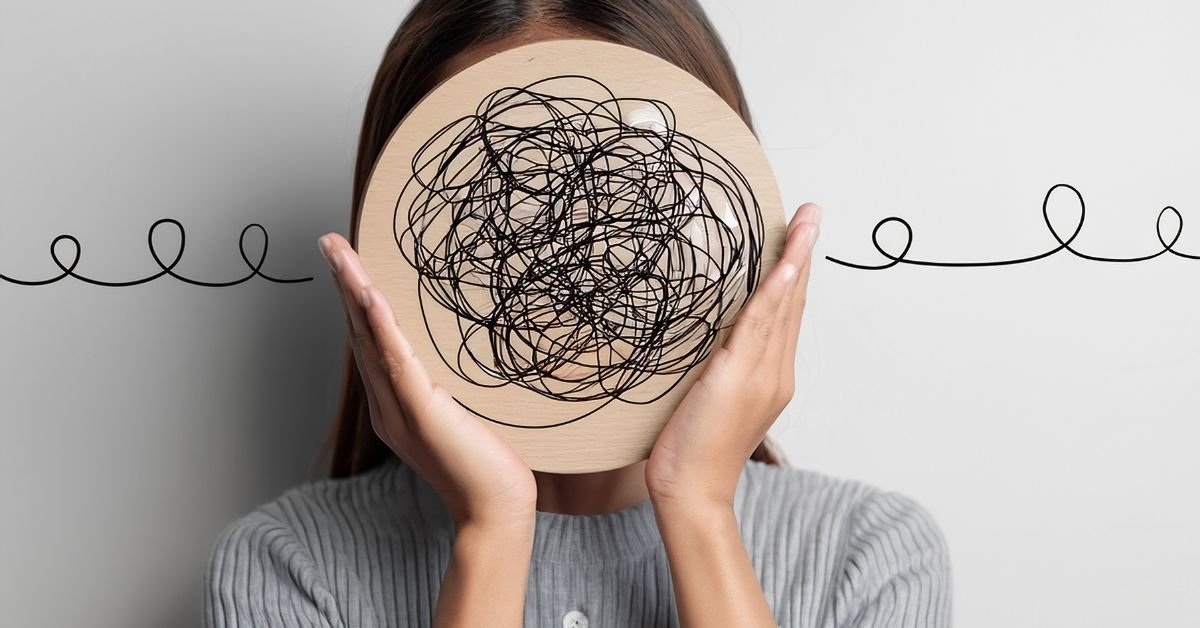
Chronic poor sleep is associated with:
- Depression
- Anxiety disorders
- Cognitive decline over time
✔ 4. Reduced Life Expectancy

Studies show that consistently sleeping less than 6 hours per night can shorten lifespan and increase the risk of serious chronic diseases.
⚠️ Symptoms of Sleep Deprivation
Watch for these signs to catch sleep deprivation early:
- Daytime sleepiness or frequent yawning
- Trouble concentrating or remembering things
- Mood swings or irritability
- Difficulty staying awake during quiet activities
- Dark circles under eyes and pale skin
🛏️ Tips to Combat Sleep Deprivation

✔ 1. Maintain a Consistent Sleep Schedule
Go to bed and wake up at the same time every day, even on weekends.
✔ 2. Create a Sleep-Friendly Environment
- Keep your bedroom dark, quiet, and cool
- Remove electronic devices before bed
- Use blackout curtains or white noise machines if necessary
✔ 3. Avoid Stimulants
Reduce caffeine, nicotine, and heavy meals at least 4–6 hours before bedtime.
✔ 4. Practice Relaxation Techniques

- Meditation or deep breathing exercises
- Light stretching or yoga
- Drinking herbal teas like chamomile or valerian root
👉 Read about “Natural Remedies for Sleep Apnea: Effective Ways to Breathe Better & Sleep Deeper”
✔ 5. Limit Screen Time Before Bed
Blue light from phones, tablets, and TVs interferes with melatonin production and delays sleep onset.
Conclusion
Sleep deprivation effects are more than just feeling tired—they affect your physical health, mental clarity, emotional stability, and even longevity. Understanding these consequences can help you prioritize sleep as an essential part of your lifestyle.
By implementing healthy sleep habits, creating a relaxing bedtime routine, and avoiding stimulants, you can restore your natural sleep patterns and enjoy better energy, focus, and overall well-being.