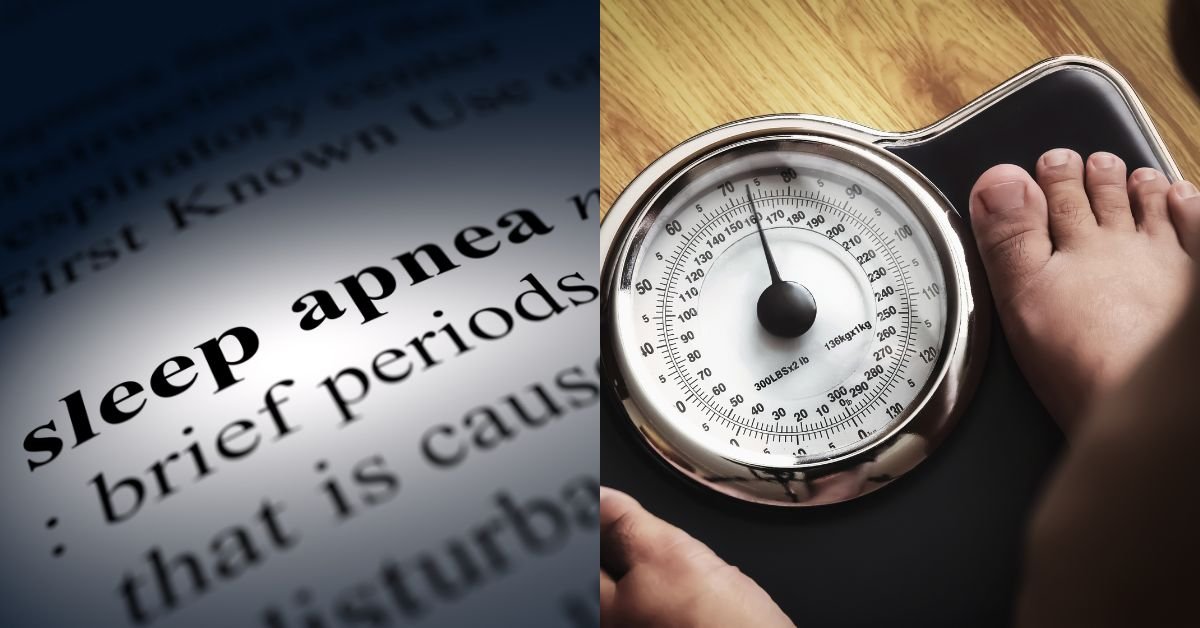
Introduction
Do you struggle with unexplained weight gain, constant fatigue, or morning headaches despite eating healthy and exercising? You might be overlooking a hidden culprit: sleep apnea. Millions of people suffer from this common sleep disorder, yet most remain undiagnosed.
Sleep apnea doesn’t just disrupt your nights — it can significantly impact your metabolism, hormones, and appetite, making it much harder to maintain or lose weight. Understanding the connection between sleep apnea and weight gain is crucial for reclaiming your energy, improving your health, and achieving a healthier body weight.
In this guide, you’ll discover how sleep apnea contributes to weight gain, backed by scientific research, and learn practical tips and lifestyle strategies to break the cycle and sleep better tonight.
How Sleep Apnea Contributes to Weight Gain
Sleep apnea occurs when your airway becomes partially or fully blocked during sleep, causing pauses in breathing. These interruptions trigger a cascade of effects that influence your weight:
1. Hormonal Imbalances
- Sleep apnea disrupts the balance of ghrelin (the hunger hormone) and leptin (the satiety hormone).
- High ghrelin + low leptin = increased appetite and cravings for high-calorie foods.
2. Insulin Resistance
- Poor sleep reduces your body’s sensitivity to insulin, which can lead to higher blood sugar and increased fat storage.
3. Decreased Energy and Physical Activity
- Daytime fatigue and sleepiness reduce motivation for exercise, which contributes to weight gain over time.
4. Increased Stress and Cortisol
- Sleep fragmentation raises cortisol levels, the stress hormone, promoting fat accumulation around the abdomen.
Scientific Evidence
- A study published in the American Journal of Respiratory and Critical Care Medicine found that sleep apnea patients are significantly more likely to gain weight over time than those without the disorder.
- Research also shows that treating sleep apnea with CPAP therapy can help stabilize weight and improve metabolism
Practical Tips to Manage Sleep Apnea and Weight
1. Seek Professional Diagnosis and Treatment
- Consult a sleep specialist for a sleep study if you experience snoring, daytime fatigue, or pauses in breathing.
- CPAP or other airway devices can restore oxygen levels and improve metabolism.
2. Adopt a Healthy Diet
- Focus on whole foods, lean protein, fiber-rich vegetables, and healthy fats.
- Avoid late-night snacking and high-sugar foods that worsen weight gain.
3. Exercise Regularly
- Aim for at least 150 minutes of moderate-intensity exercise per week.
- Both aerobic activity and strength training improve insulin sensitivity and help reduce fat.
4. Prioritize Sleep Hygiene
- Stick to a consistent sleep schedule.
- Keep your bedroom dark, cool, and quiet.
- Limit caffeine and alcohol before bedtime.
5. Weight Management
- Losing even 10–15 pounds can significantly reduce sleep apnea severity in overweight individuals.
- Combine diet, exercise, and medical treatment for optimal results.



| Factor | Effect on Weight |
|---|---|
| Hormone Imbalance (Ghrelin ↑ / Leptin ↓) | Increased appetite |
| Insulin Resistance | Higher fat storage |
| Daytime Fatigue | Less physical activity |
| Cortisol Increase | Abdominal fat accumulation |
Final Thoughts
Sleep apnea is not just a nighttime nuisance — it’s a major factor in weight gain and metabolic disruption. The good news? With proper treatment, lifestyle changes, and attention to sleep quality, you can break the cycle of fatigue and weight gain, restore your energy, and improve your overall health.
If you notice symptoms like snoring, morning headaches, or excessive daytime sleepiness, don’t ignore it — getting diagnosed could be your first step toward better sleep, a healthier weight, and a more energized life.