Introduction
Getting high-quality sleep is no longer a luxury — it’s a necessity for your health, energy, and daily performance. Yet millions of people struggle every night without understanding why. This is where modern sleep tracking devices make a real difference. Today’s advanced sleep technology can monitor your deep sleep, REM cycles, heart rate, HRV, breathing patterns, and even your nighttime stress levels with incredible accuracy.
If you want to sleep better, recover faster, eliminate insomnia triggers, or simply understand what is happening while you sleep, choosing the best device for tracking sleep is one of the smartest investments you can make. From smart rings and headbands to powerful non-wearable sensors, the right sleep tracker can turn your nights into real, restorative rest — and give you the insights you need to finally fix your sleep for good.
Whether you’re looking for the most accurate sleep tracker, the best budget option, or a device that helps you relax and fall asleep faster, this guide reveals the top 5 sleep-tracking devices that are dominating 2025 and helping thousands of people improve their sleep quality naturally. Let’s dive into the smartest choices available right now.
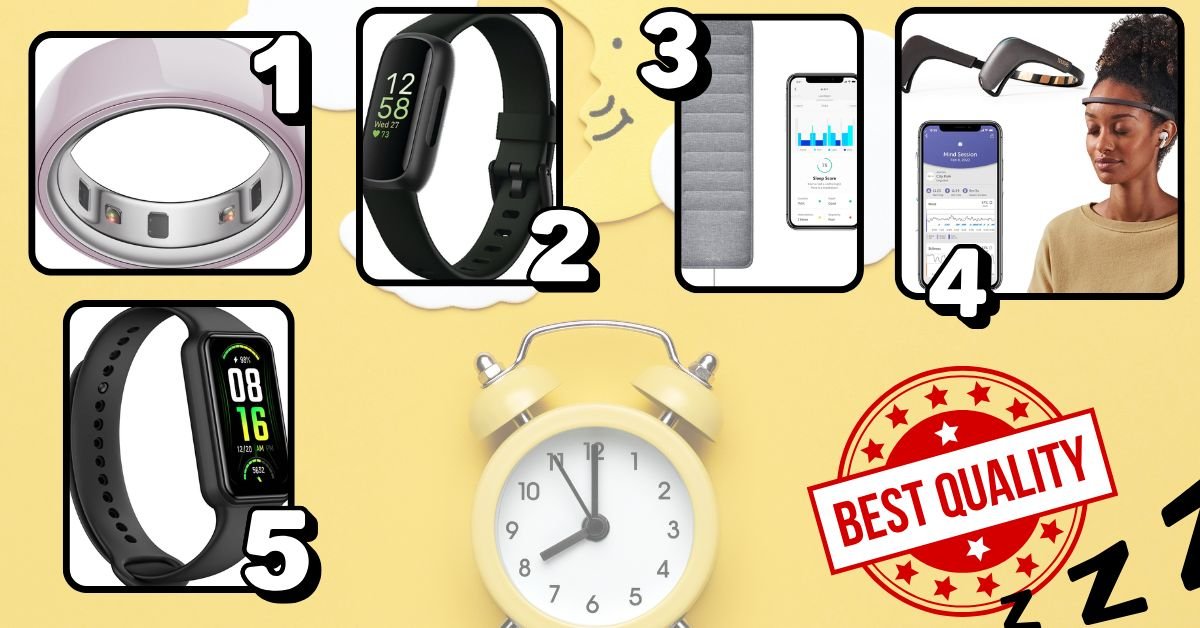
⭐ Top 5 Best Devices for Tracking Sleep (Amazon Picks)
1. Oura Ring Gen 3 – Best Overall Sleep Tracker
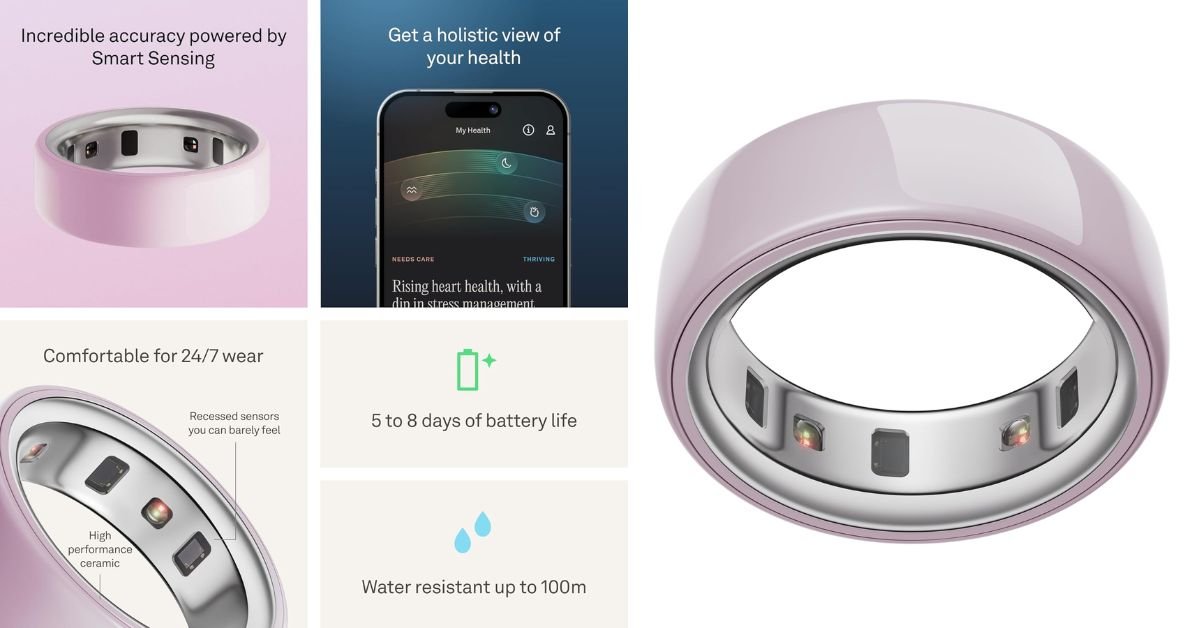
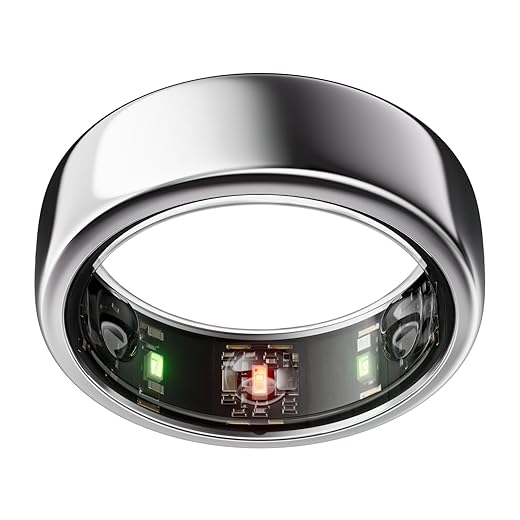
The Oura Ring is one of the most advanced sleep-tracking devices on the market. Unlike bulky watches, this smart ring monitors your sleep with precision using advanced sensors.
Why It’s the Best
- Extremely accurate sleep stage tracking
- Monitors HRV, temperature, readiness score
- Ultra-light, comfortable for all-night wear
- Long battery life (4–7 days)
Best For
People who want clinical-level sleep accuracy without wearing a watch.
Pros
- Very comfortable
- Excellent deep/REM sleep analysis
- Tracks recovery, stress, and overall health
Cons
- Requires a subscription for full insights
2. Fitbit Inspire 3 – Best Budget Sleep Tracker
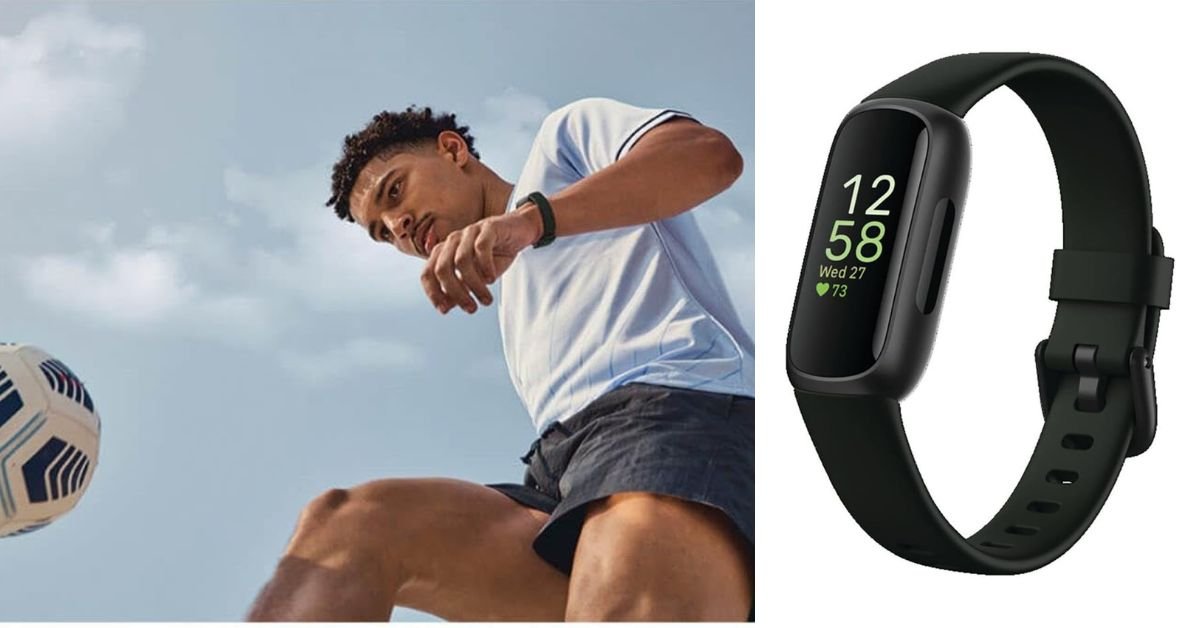
If you want reliable sleep data without spending a lot, the Fitbit Inspire 3 is an excellent entry-level choice.
Why It’s Great
- Affordable and lightweight
- Tracks sleep stages, oxygen levels, breathing
- Daily Sleep Score with improvement tips
Best For
Users who want accurate sleep info at a budget-friendly price.
Pros
- Comfortable for sensitive sleepers
- Vibrant display & great app
- Excellent battery life
Cons
- Fewer advanced metrics than premium trackers
3. Withings Sleep Tracking Pad – Best Non-Wearable Option
Hate wearing devices at night? The Withings Sleep Analyzer slides under your mattress and tracks everything automatically.

Why It’s Unique
- No wristband, no ring — completely non-wearable
- Tracks breathing disturbances, snoring, heart rate, and sleep stages
- Smart home integration (IFTTT)
Best For
People who want hands-free sleep tracking with zero discomfort.
Pros
- Extremely convenient
- Great for long-term monitoring
- Detects sleep apnea tendencies
Cons
- Not portable
4. Muse S (Gen 2) – Best for Relaxation + Sleep Tracking
Muse S is a brain-sensing headband that tracks your sleep and helps you fall asleep faster using meditation, biofeedback, and soundscapes.

Why It’s Powerful
- Tracks EEG brain activity for ultra-precise sleep data
- Helps reduce stress before bed
- Provides real-time feedback to improve sleep quality
Best For
People who struggle with stress, overthinking, or insomnia.
Pros
- Exceptional relaxation tools
- Accurate EEG-based tracking
- Soft and comfortable to wear
Cons
- More expensive than standard trackers
5. Amazfit Band 7 – Best Affordable All-Day Tracker
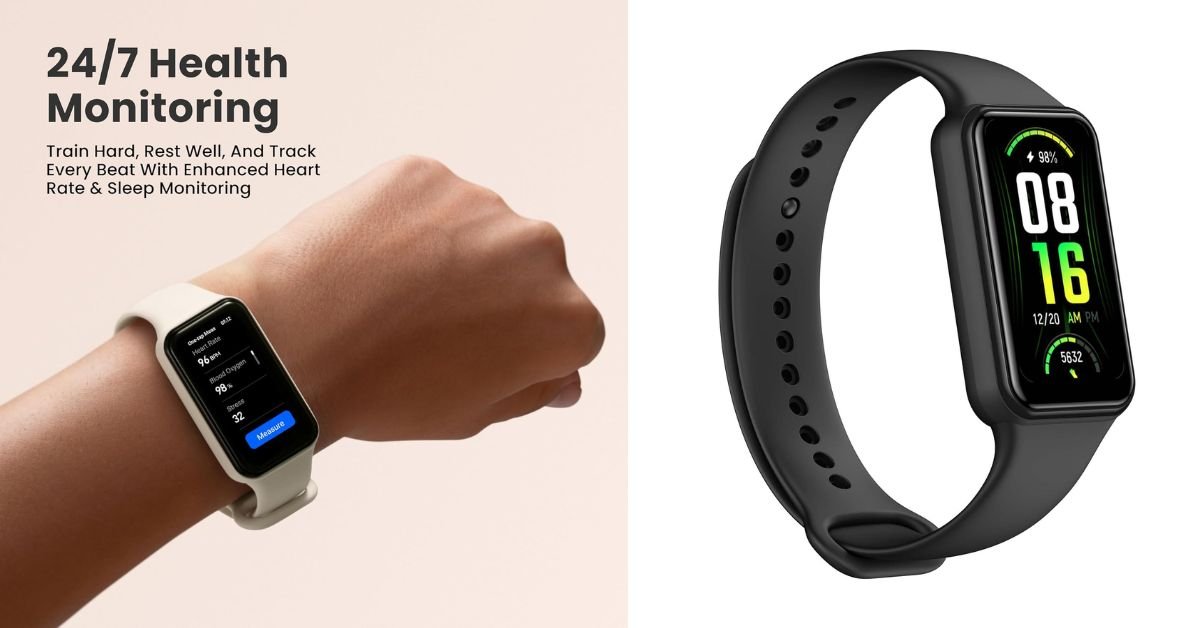
This is one of the most impressive low-cost sleep trackers with strong features.
Why It Stands Out
- Tracks REM, deep sleep, light sleep
- Monitors heart rate & stress
- Very good battery life (up to 18 days)
Best For
Anyone wanting a lightweight, inexpensive sleep tracker with good accuracy.
Pros
- Great value for money
- Comfortable and slim
- Clear sleep reports in the app
Cons
Insights are less detailed than premium devices
💤 Why You Need a Sleep Tracking Device
Sleep trackers help you identify:
✔ Poor sleep cycles
✔ Low deep sleep or REM
✔ High nighttime stress
✔ Breathing issues or snoring
✔ Lifestyle habits that hurt your sleep
By analyzing your sleep data, you can correct problems easily:
- Improve bedtime routine
- Reduce nighttime stress
- Adjust diet or caffeine intake
- Fix your sleeping schedule
- Optimize your environment
Using the best device for tracking sleep allows you to monitor progress and see what truly improves your rest.
🛍️ Which Sleep Device Should You Choose?
Choose based on your needs:
✅ For the most accurate tracking:
Oura Ring Gen 3
✅ For affordability + reliability:
Fitbit Inspire 3
✅ For zero-wear comfort:
Withings Sleep Tracking Pad
✅ For stress & insomnia:
Muse S Gen 2
✅ For budget-friendly performance:
Amazfit Band 7
No matter your goal — deeper sleep, better recovery, or simply understanding your patterns — investing in a high-quality sleep tracker is one of the smartest decisions for your health.
| Device | Pros | Cons |
|---|---|---|
| Oura Ring (Gen 3) | – Extremely accurate sleep tracking – Tracks HRV, temperature, readiness score – Lightweight and comfortable – 24/7 monitoring – Discrete and stylish | – No screen – Needs phone for full insights – Requires periodic charging |
| Fitbit Sense 2 | – Tracks sleep stages, HR, SpO2 – Stress and ECG tracking – Smartwatch features – Easy-to-read sleep score – Great all-in-one health device | – Bulkier than bands – Needs syncing for accuracy – Advanced features may overwhelm beginners |
| Muse S (Gen 2) | – EEG-based sleep & meditation insights – Helps fall asleep faster – Tracks deep sleep & recovery – Ideal for insomnia or stress – Comfortable headband | – Must wear at night – Battery lasts only nightly sessions – More meditation-focused than 24/7 tracking |
| Withings Sleep Analyzer | – Hands-free, under-mattress – Tracks cycles, snoring, breathing – Detects sleep apnea signs – Automatic nightly tracking – Very accurate non-wearable | – Not portable – Only tracks sleep – Requires proper installation under mattress |
| Fitbit Inspire 3 | – Accurate sleep & heart rate – Lightweight and comfortable – Long battery life – Simple sleep score – Great for beginners | – Smaller screen – Lacks premium sensors – Basic compared to high-end devices |


Conclusion
Choosing the best device for tracking sleep can completely transform the way you rest, recover, and perform throughout the day. With modern sleep technology becoming more accurate and accessible than ever, you now have the power to understand your sleep cycles, correct hidden issues, and build healthier habits based on real data—not guesswork.
Whether you choose a premium device like the Oura Ring, a budget-friendly tracker like the Fitbit Inspire 3, a non-wearable option like the Withings Sleep Analyzer, or an advanced relaxation tool such as Muse S, each of these products can bring you closer to the deep, restorative sleep your body needs.
Great sleep is the foundation of great health. Investing in a high-quality sleep tracker isn’t just buying a gadget—it’s choosing a better lifestyle, better energy, and better long-term well-being. Start tracking your sleep the smart way and take control of your nights, so you can live your days at your absolute best.